ADVERTISEMENT

Rent Calculation in the Tax Credit Program: - Determining Maximum Rent - Calculating Rent Based on Number of Bedrooms - Consideration of Occupancy and Utility Allowance The tax credit program, also known as LIHTC, is a widely-recognized affordable housing initiative established in 1987. Unlike other housing programs overseen by HUD, this program is administered by the IRS in collaboration with state housing finance agencies throughout the country. Determining the maximum rent for a low-income unit in a tax credit property is based on a percentage (usually 50% or 60%) of the area median gross income (AMGI). The rent calculation is influenced primarily by the number of bedrooms in the apartment, rather than the actual number of occupants. To calculate the rent, your landlord must assume an occupancy rate of 1.5 occupants per bedroom, except in the case of a studio where it is assumed to be one occupant. For instance, a two-bedroom apartment's rent would be calculated based on three occupants (1.5 x 2 bedrooms). Furthermore, the tax credit rent also includes an allowance for utilities.
Highway 12, Lolo, MT 59847
ADVERTISEMENT

What is Section 8 Program?
The United States government established the Section 8 program, formally known as the Housing Choice Voucher program. This federal assistance program plays a significant role in providing safe and affordable housing to millions of low-income individuals and families across the nation.
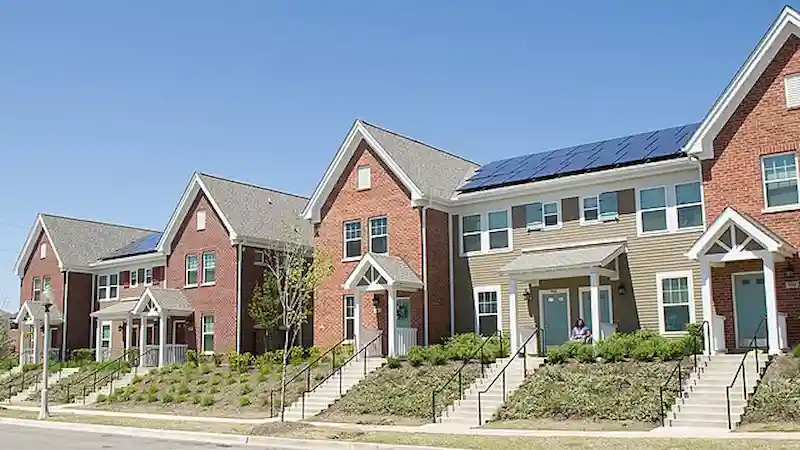
7 Ways To Access Low Income Housing
Several programs and initiatives aim to provide low-income individuals and families with affordable housing options. In this guide, we will explore some quick ways to access low-income housing based on official data.
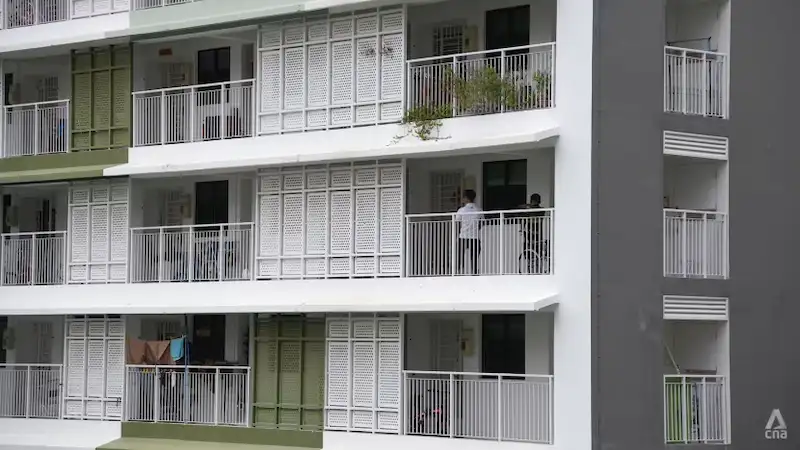
Best Low-Income Housing Grants: Bridging the Affordable Housing Gap
In this article, we will explore some of the best low-income housing grants available, backed by official data, and their impact in providing affordable housing options for those in need.

© 2026 RentHouse. All rights reserved.



