ADVERTISEMENT
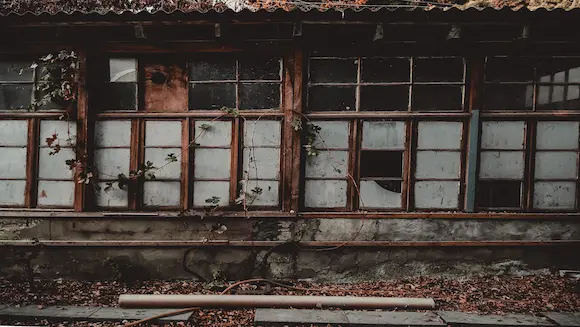
As a landlord, you have a responsibility to your tenants to maintain the condition of your rental property. When disrepair or damages occur, it is important to address them in a timely manner to protect the safety of your tenants. Unfortunately, dealing with disrepair can be a challenge for landlords. From assessing the issue to figuring out how to fix it, there are a few steps you should take when handling disrepair in your rental.
1. Handle the Paperwork Before Fixing
Before you start any repair work, it is important to review your lease agreement and understand what is covered. Many leases will specify what part of the maintenance the tenant is responsible for, and what, if any, repair costs will be reimbursed by the tenant. If the cost is too great for the tenant to bear, you may need to adjust the lease or come to another arrangement.
Once you have taken care of the paperwork, make sure you document everything associated with repairs. You should keep records of payment receipts, contractor contact information, and any other associated details. You may also want to make digital records, such as photos or videos, to help you remember what was done and to serve as evidence if a dispute arises.
2. Assess the Damage
Before you start making repairs, it is important to assess the damage. This will give you an idea of the cost and the scope of the repair. If you have you can get a second opinion, such as from a professional contractor, it can help you determine the best way to approach the repair.
It is also important to look for any potential safety hazards. This is especially true for any wiring or plumbing issues. If you are not qualified to do any electrical or plumbing work, you should hire a licensed professional to address the issue. Failure to do so could open you up to significant liability in the event of an accident.


3. Make the Repair
Once you are familiar with the damage and how to address it, it is time to make the repair. If you are not able, or do not feel comfortable, making the repair yourself, you should call a professional contractor. Do your research and make sure you are working with a reliable contractor and getting a fair rate.
When possible, try to get multiple estimates from contractors. This can help ensure you get the best quality of service at an affordable price. Once you have selected a contractor, make sure to get a contract that outlines the work to be done, the cost, the timeline, and any guarantees.
4. Keep Tenants Informed
When a repair is necessary, it is important to communicate with your tenants and keep them informed throughout the process. If the repair will require access to the rental, let the tenant know beforehand and provide a timeline of when the work will be done. It is also important to make sure the tenant is aware of any safety issues or hazards associated with the repair, such as avoiding certain areas or using caution when in the vicinity of the work area.
5. Do Regular Inspections
The best way to handle disrepair in your rental is to conduct regular inspections. This will give you a chance to notice any wear and tear and deal with any issues before they become major problems. A good rule of thumb is to conduct an inspection every six months or after major weather events or seasonal changes, such as during winter and summer.
Dealing with disrepair in your rental can be time consuming and costly for landlords. Following the tips above can help you manage repairs efficiently and ensure the safety of your tenants. Regular inspections and communication with your tenants can also help make the process much smoother.
ADVERTISEMENT
What is Section 8 Program?
Renting Tips
7 Ways To Access Low Income Housing
Renting Tips
Best Low-Income Housing Grants: Bridging the Affordable Housing Gap
Renting Tips

Are pets allowed in low-income housing?
Renting Tips
Where To Find Affordable Low Income Apartments for Rent Near Me?
Renting Tips

5 Benefits of Affordable Housing
Renting Tips
5 Methods To Discover Affordable Housing Without A Voucher
Renting Tips
Differences Between Public Housing and Subsidized Housing
Renting Tips
The Pros and Cons of Various Affordable Housing Options
Renting Tips




