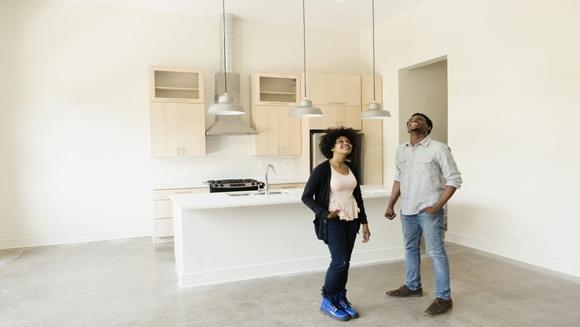
The debate between buying and renting has been ongoing for decades. With the passage of time, new advantages of both sides of the argument have emerged. Homeownership continues to be seen as the traditional path to financial stability, but it is important to consider the alternative option of renting. In today’s modern society, there are numerous benefits to renting a home, such as lower costs, more flexibility, and less responsibility.
The most obvious benefit of renting a home is the lower cost of living. Monthly mortgage payments balloon over time as interest accrues, whereas most rental contracts include various protections and limits. Renters don’t have to worry about paying a high mortgage for years to come, because rental prices are typically consistent from month-to-month. Furthermore, when compared to a mortgage, the down payment and closing costs attached to renting are much more manageable. Generally speaking, rent payments are around five to fifteen times less than a mortgage down payment.

Another benefit of renting is the flexibility it provides to tenants. With the search for a new home come numerous decisions like deciding a location, examining neighborhoods, and defining a budget. When renting, you can test certain neighborhoods or styles of living without having to commit to them for an extended period of time. For instance, if you’d like to try living in a downtown area, you can rent an apartment downtown and simply move out of the lease if you find that the environment does not suit your needs. Additionally, the stress associated with buying a house – such as waiting on the tax code or negotiating a mortgage – is non-existent with renting.
Moreover, renting a home can also save you from the responsibilities of homeownership. As a renter, you will not need to worry about manipulating any home improvement or roof repairs. Maintenance and repairs are taken care of by the property owner, meaning you can spend your free time on something more worthwhile. You will also escape liability for any property taxes and association fees that may come with homeownership.


Finally, renting a home allows for better access to transit. For most cities, living downtown is the most efficient way to access public transportation like buses, trains, and even airports. Furthermore, downtown areas are usually more connected to a city’s businesses, universities, and cultural activity hubs than suburban neighborhoods. For those who like to experience the energy of a city, renting in the core may be the better decision for both short-term and long-term living.
In conclusion, there are numerous benefits to renting a home. You are able to enjoy lower costs, more flexibility and less responsibility than homeowners. You can also experience better access to various sources of transportation and more centrally located attractions. When deciding what type of lifestyle you’d like to lead, both renting and homeownership should be considered and their advantages weighed.